சூழ்க்கை - Sulkkai
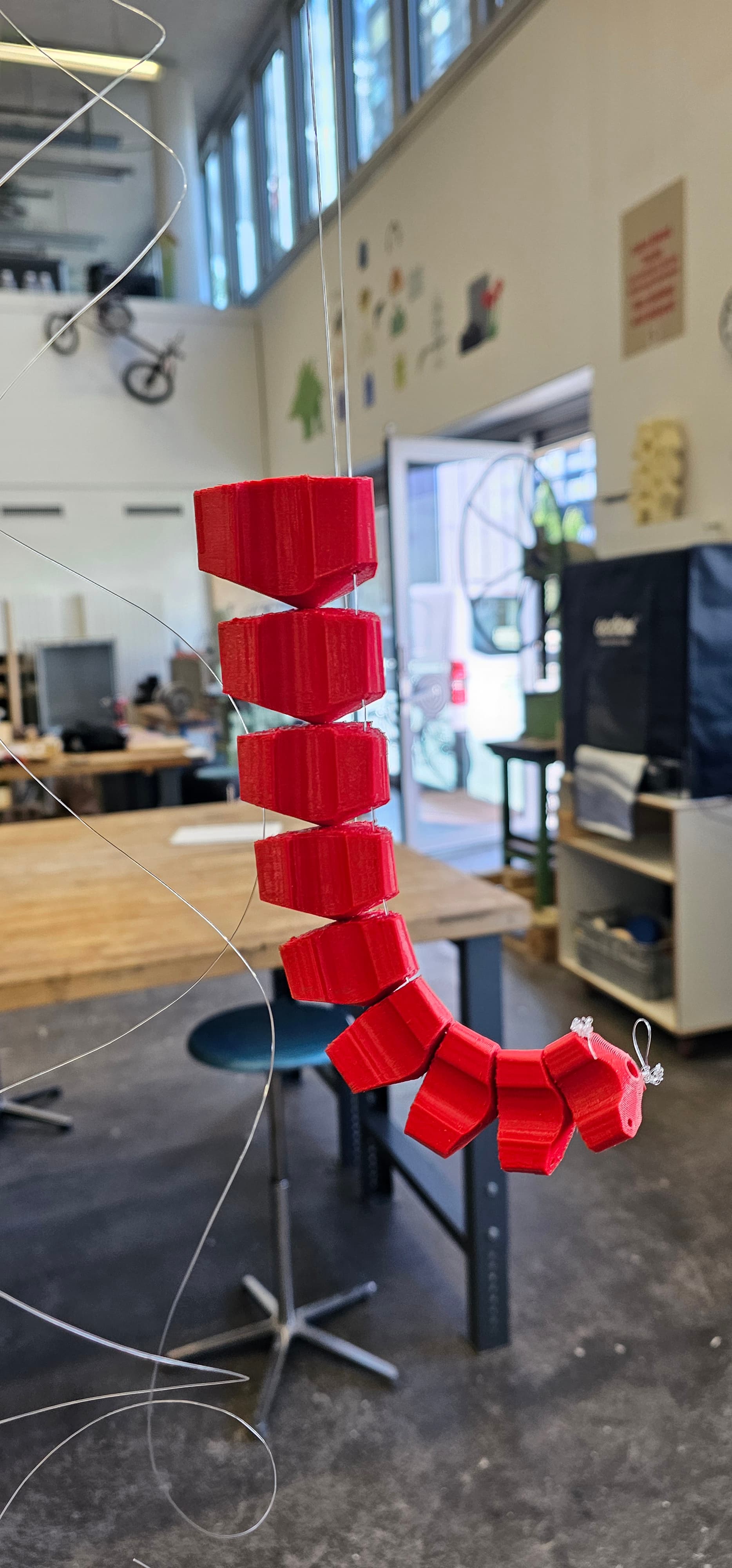
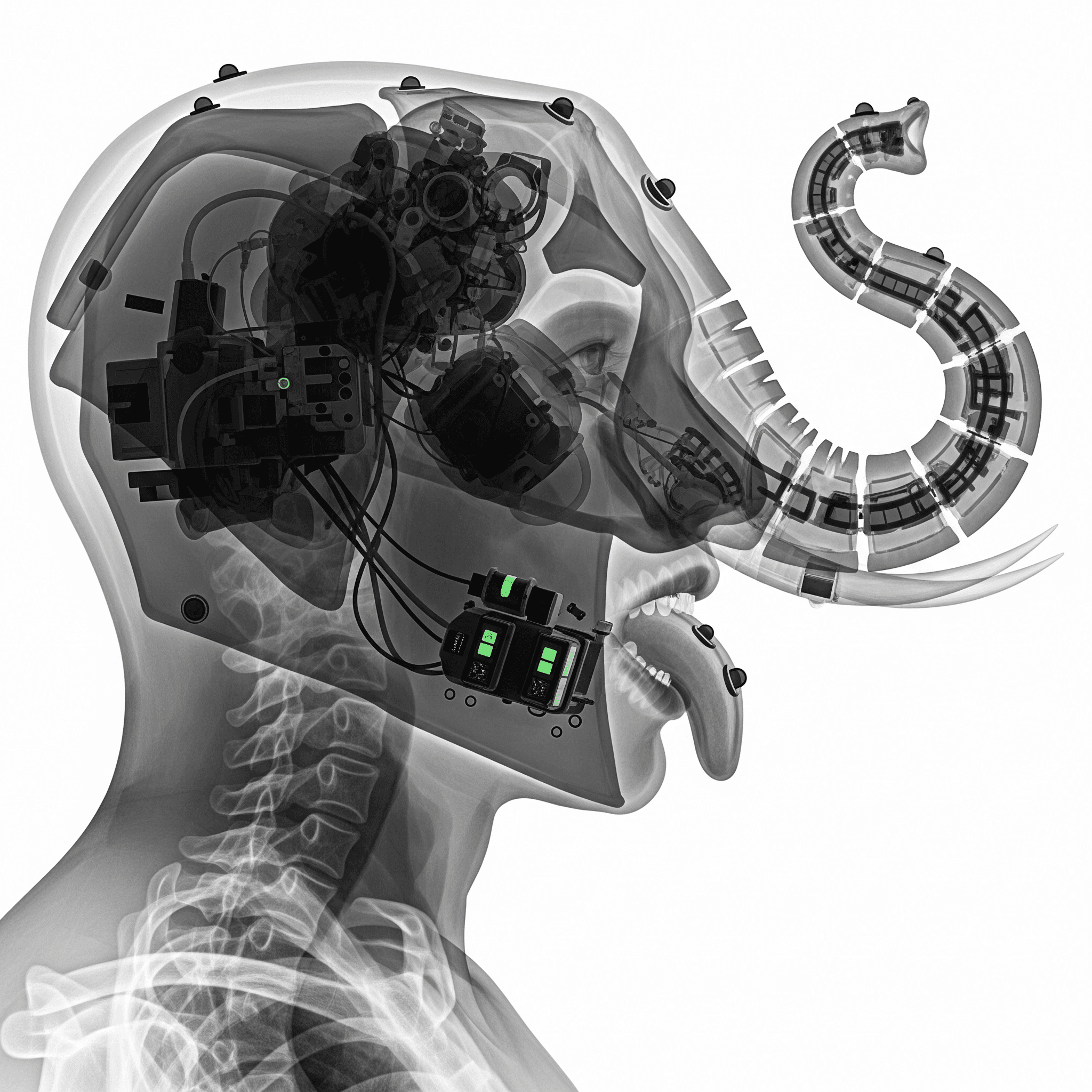
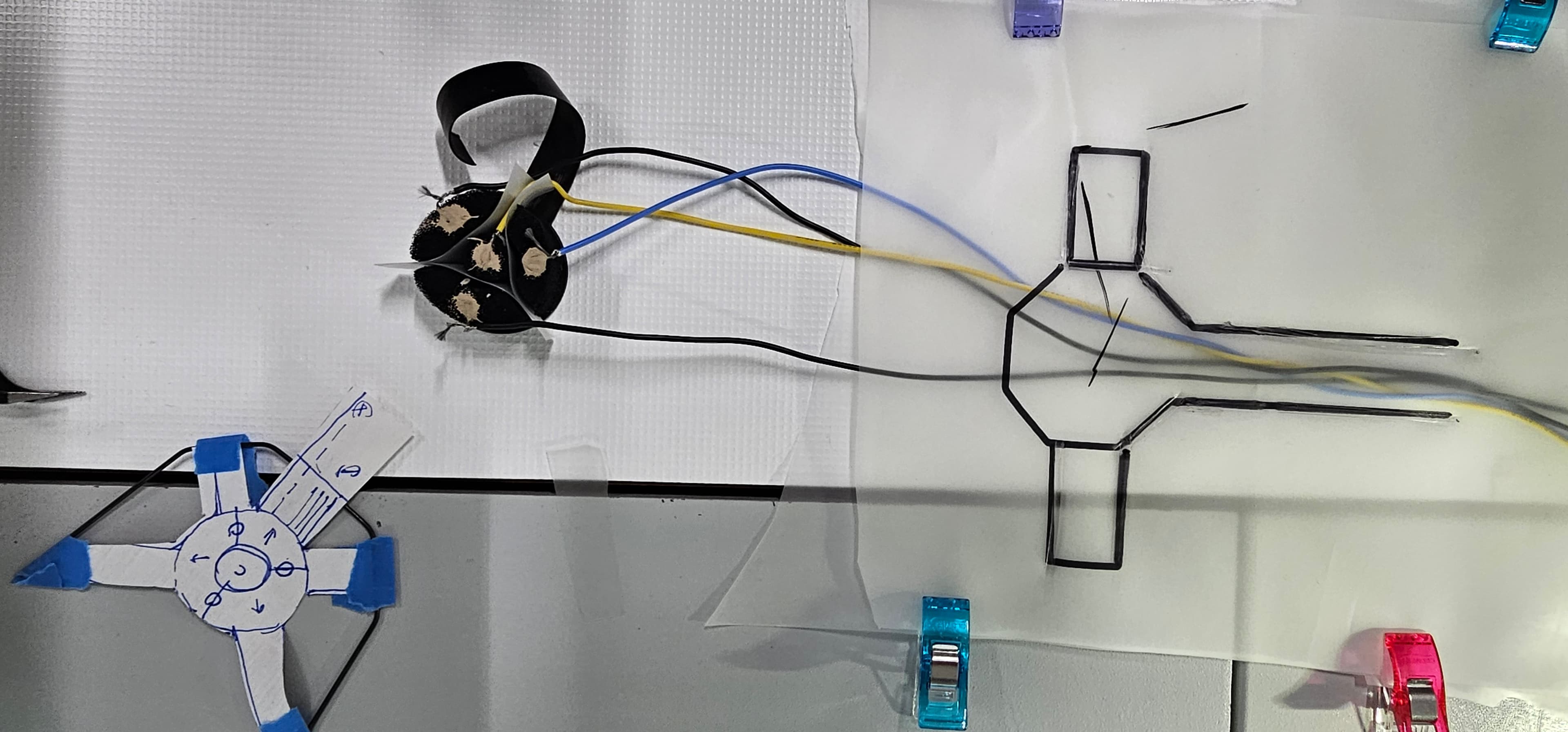
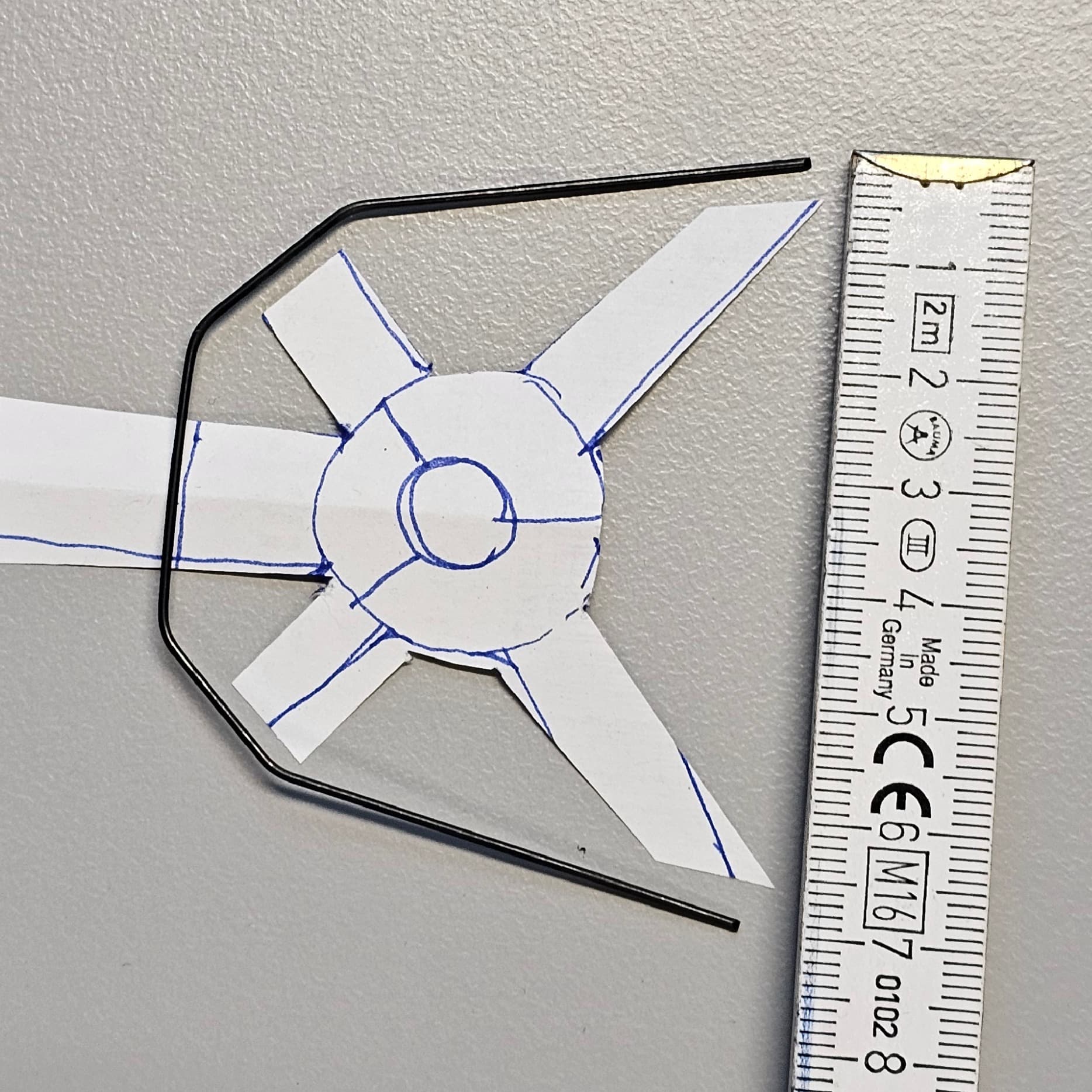
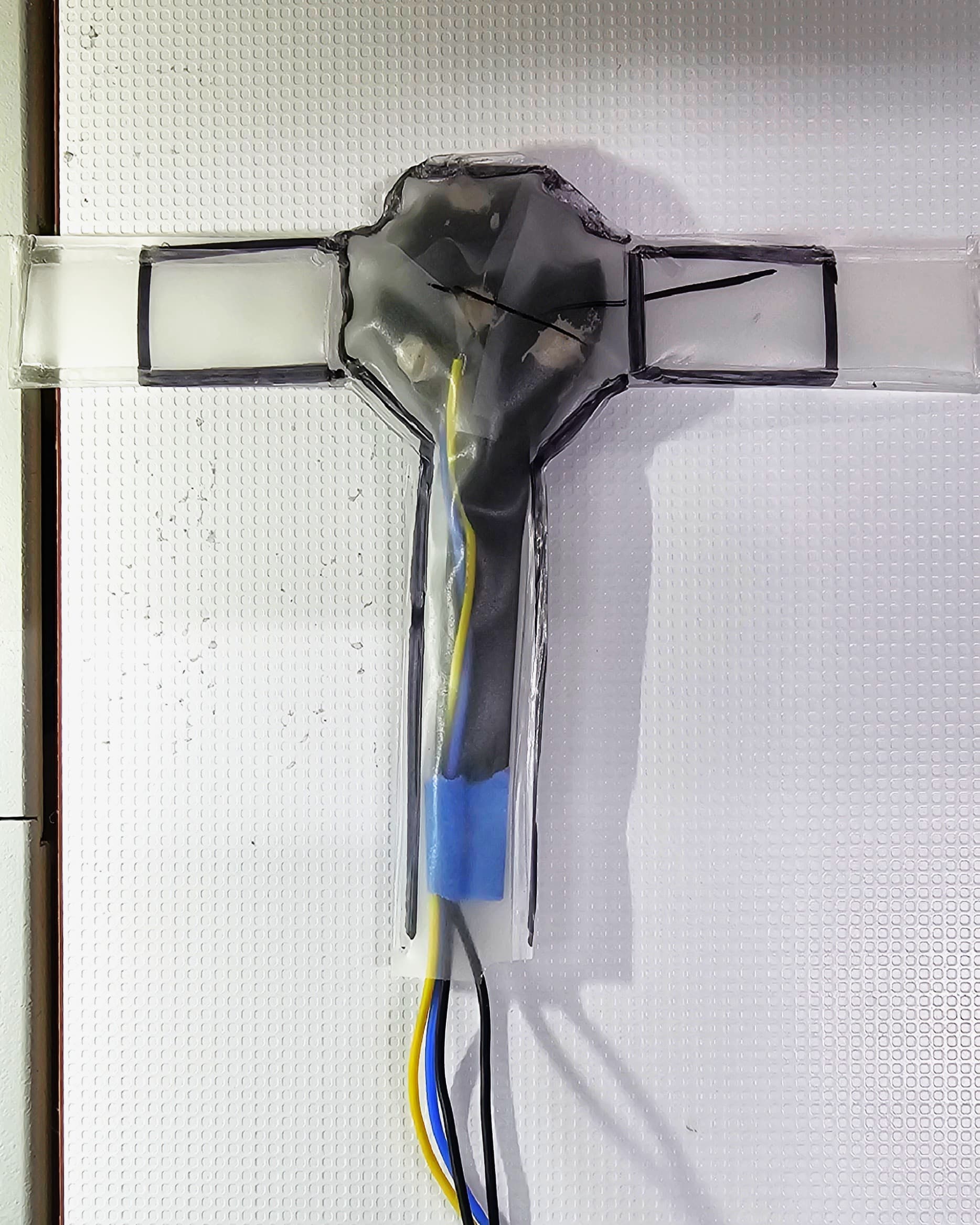
Sulkkai a WIP - experimental human augmentation [↗] project that explores how human cognition adapts to an additional motor capability and a new sensory modality through a wearable robotic appendage Inspired form Indian god The project integrates a trunk-like robotic arm as a supernumerary limb controlled through tongue movements, which are tracked using a soft intraoral interface made from polyurethane (PU) foam coated with a conductive elastomer composite [↗] synthesized at the High Performance Ceramics Laboratory[↗] at EMPA. The tongue-controlled interface enables interaction with the robotic trunk while maintaining a soft and compliant form factor. The robotic trunk incorporates soft force sensors fabricated from similarly coated foam materials, allowing the detection of physical contact with the environment. When the trunk interacts with an object, the detected force is translated into tactile feedback through haptic motors positioned around the wearer’s cheek, creating an artificial sensory pathway that allows the user to perceive touch through the augmented limb. The whole setup is controlled using a microcontroller. Currently, Sulkkai exists as an experimental apparatus and an ongoing work in progress, as a platform for investigating embodiment, sensorimotor adaptation, and human–machine integration. The project aims to understand how the human brain adapts when provided with a new externally integrated motor skill and sensory perception, and how individuals develop new cognitive mappings to incorporate an artificial appendage as an extension of their body.