Unit cell
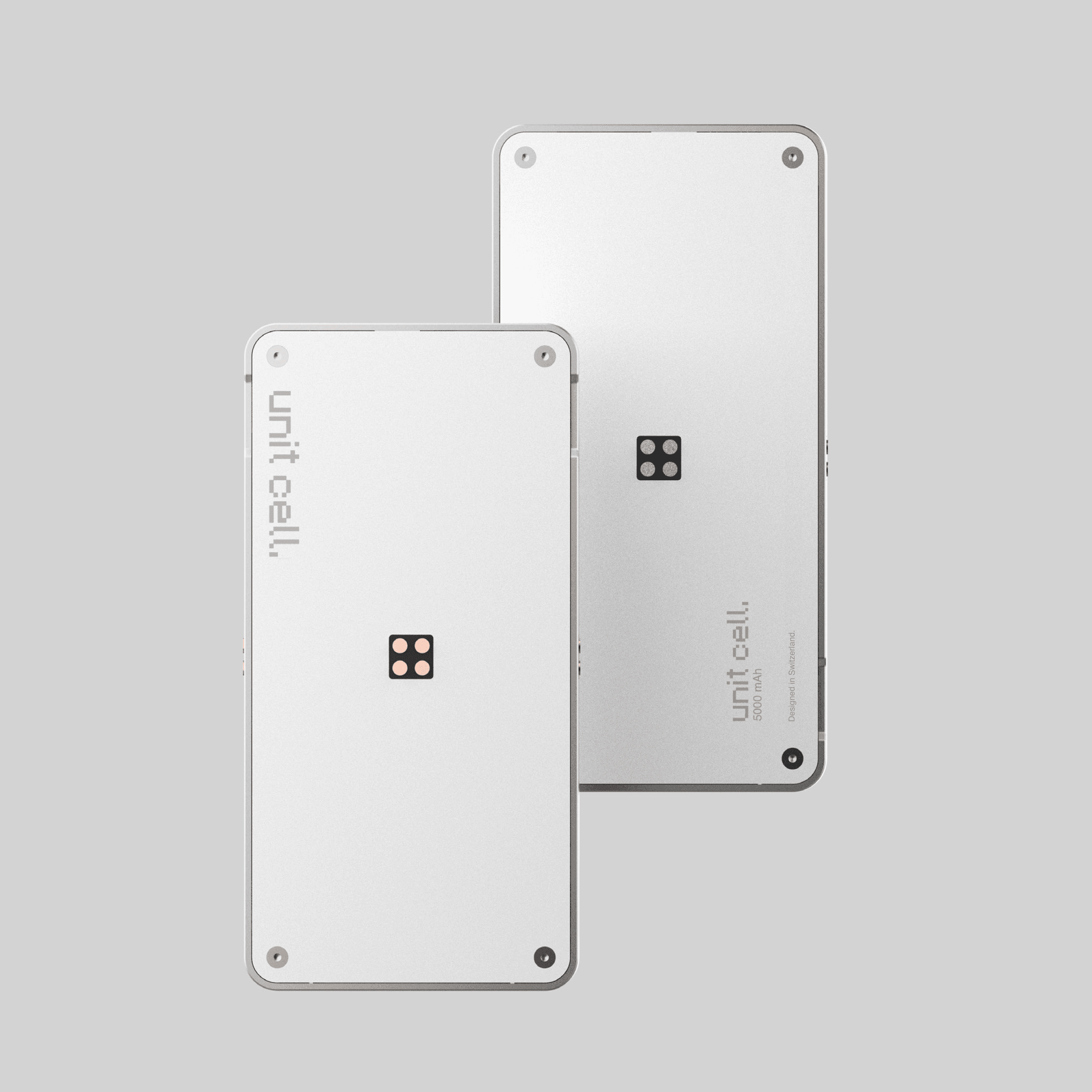
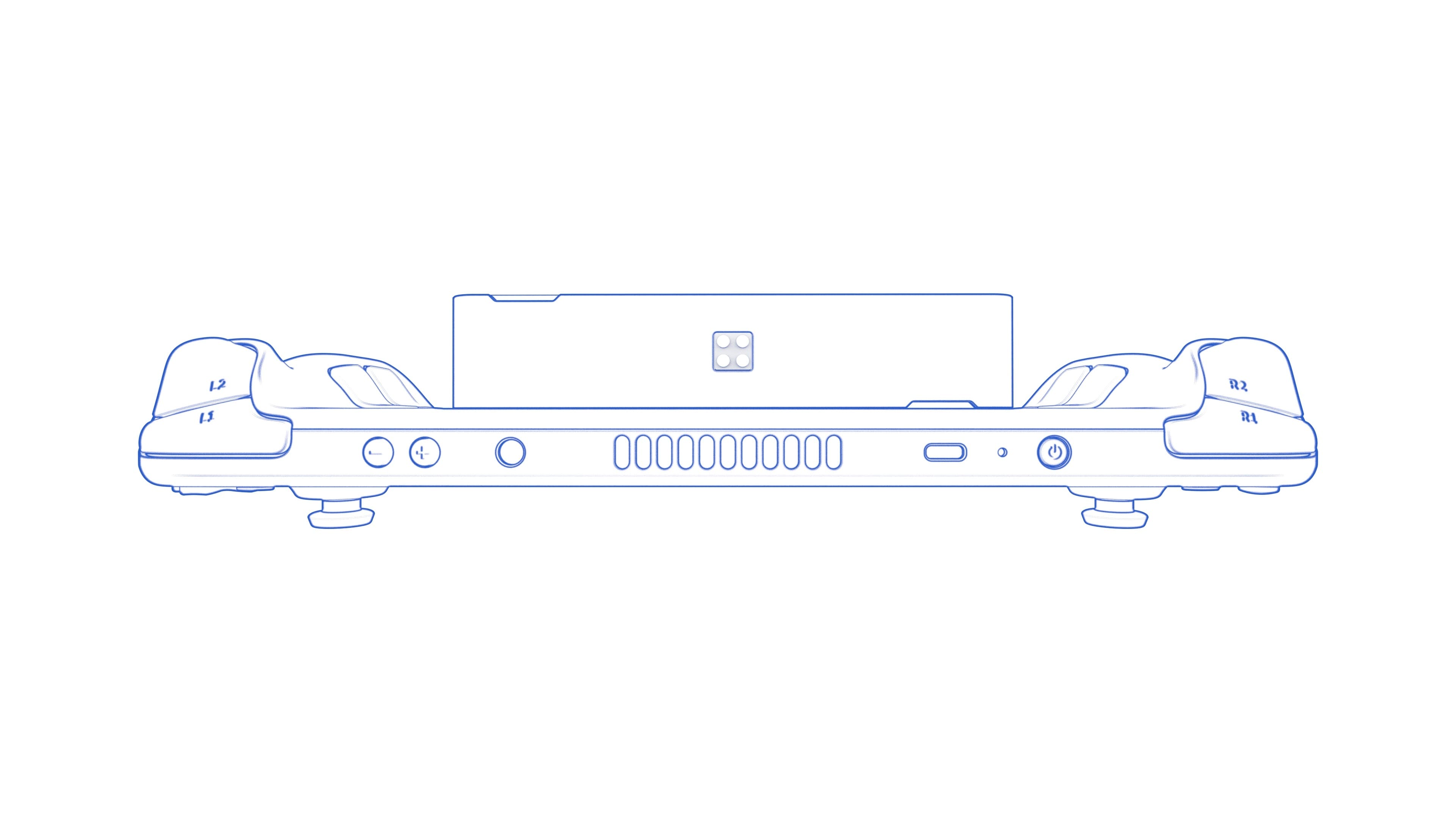
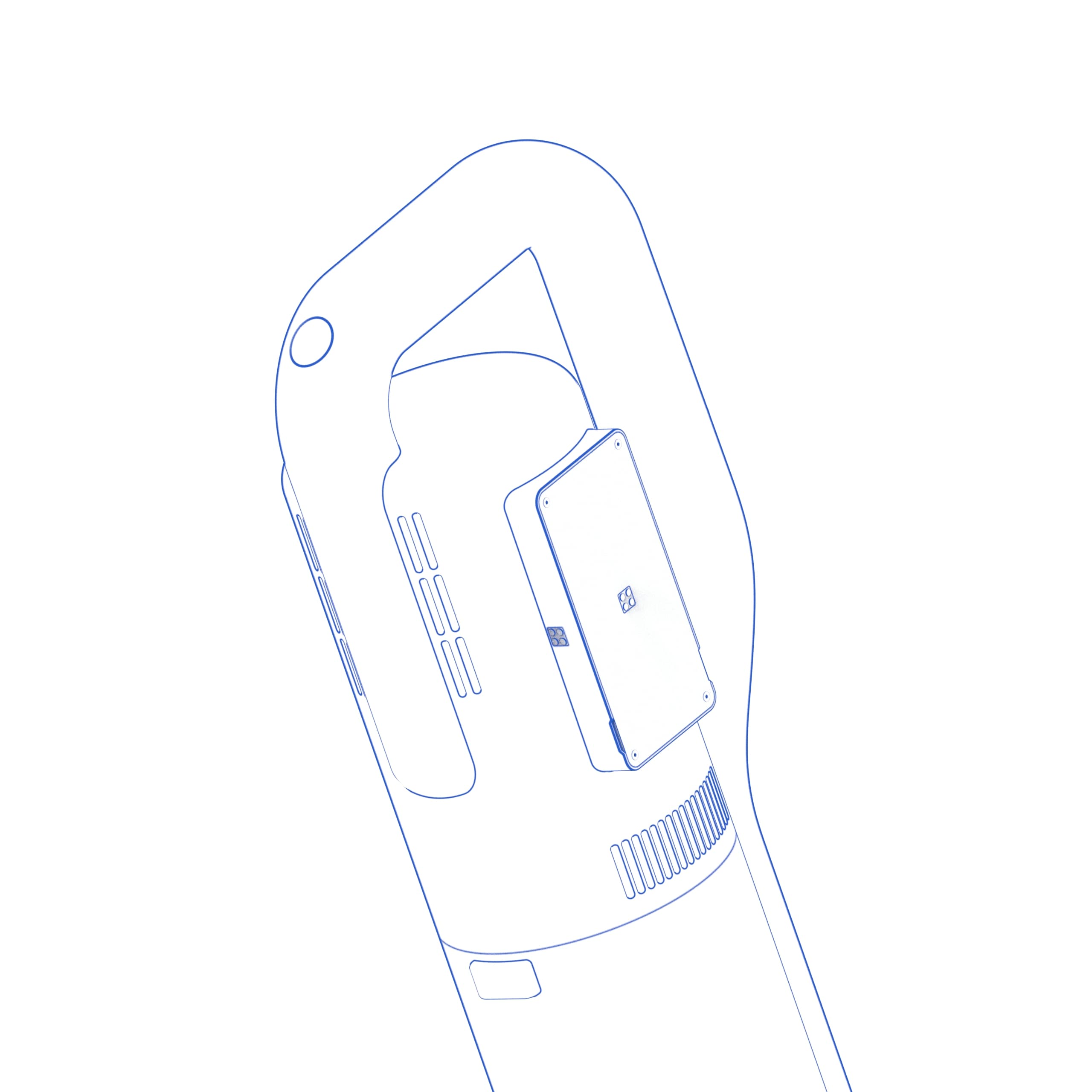
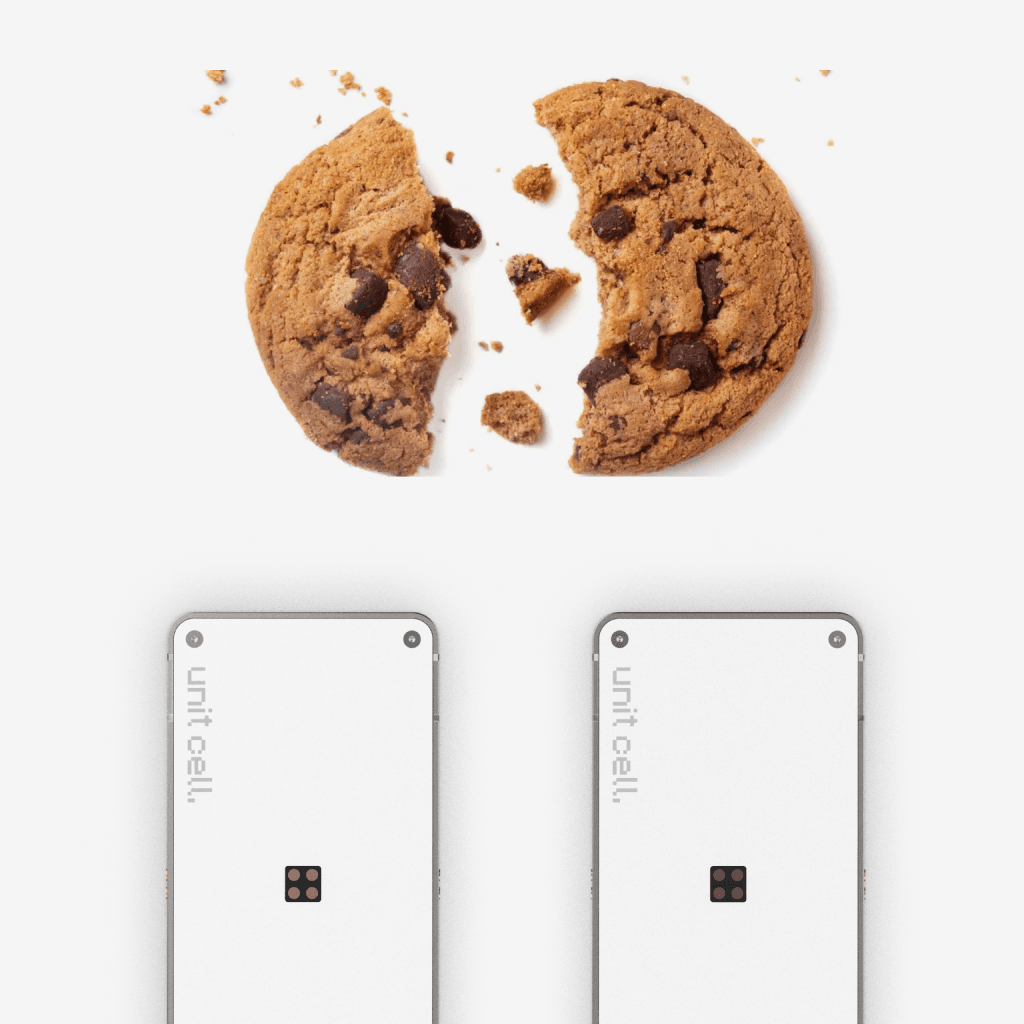
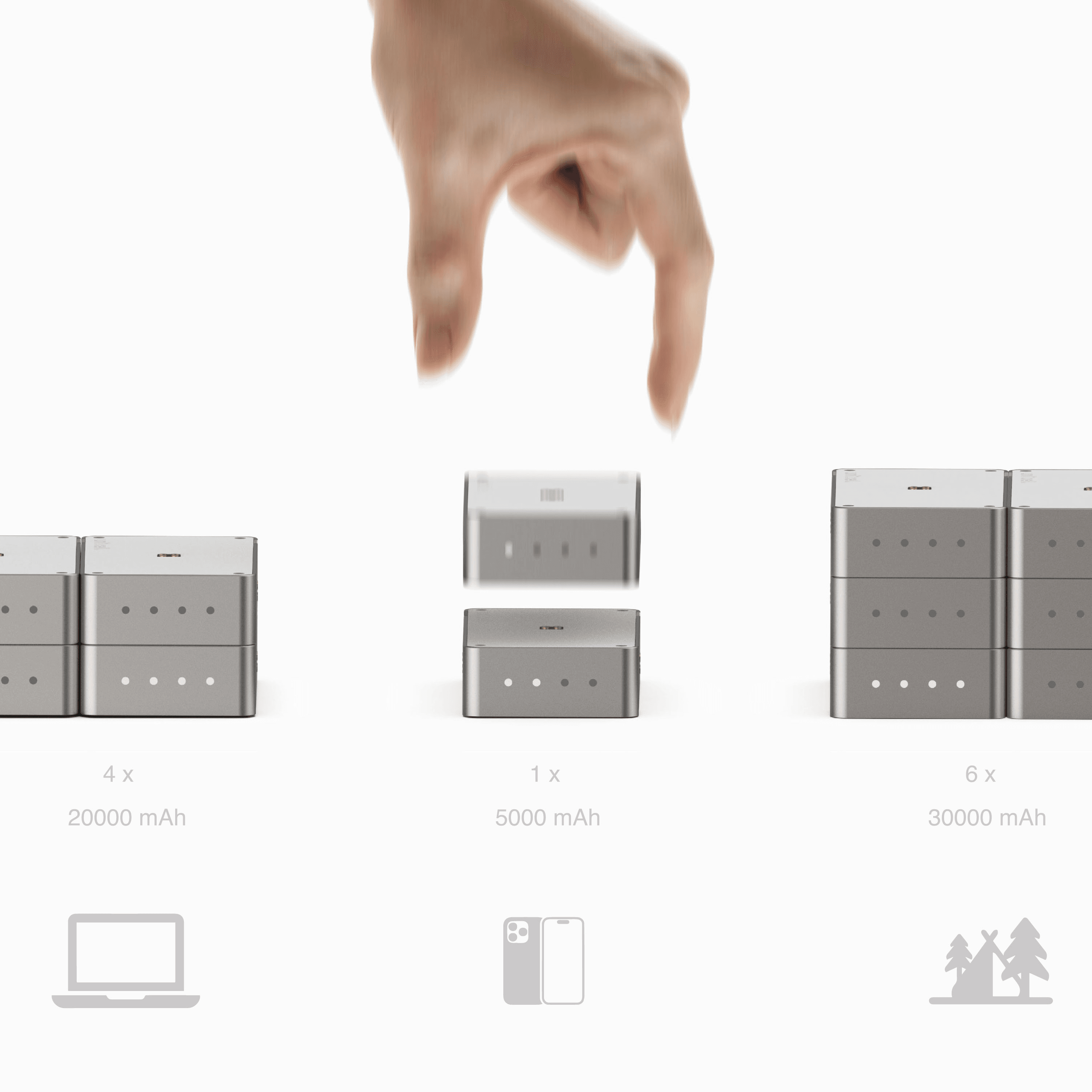
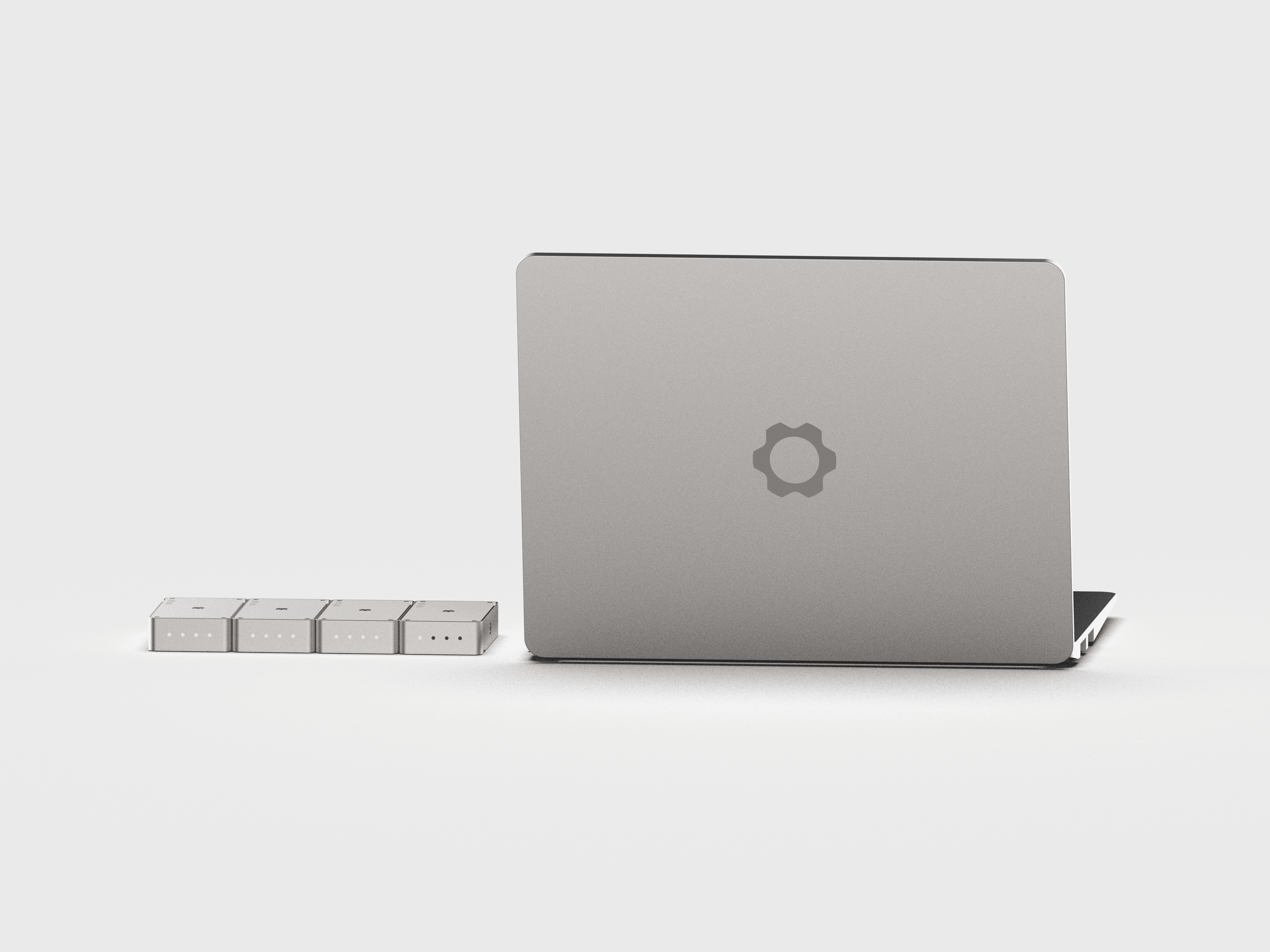
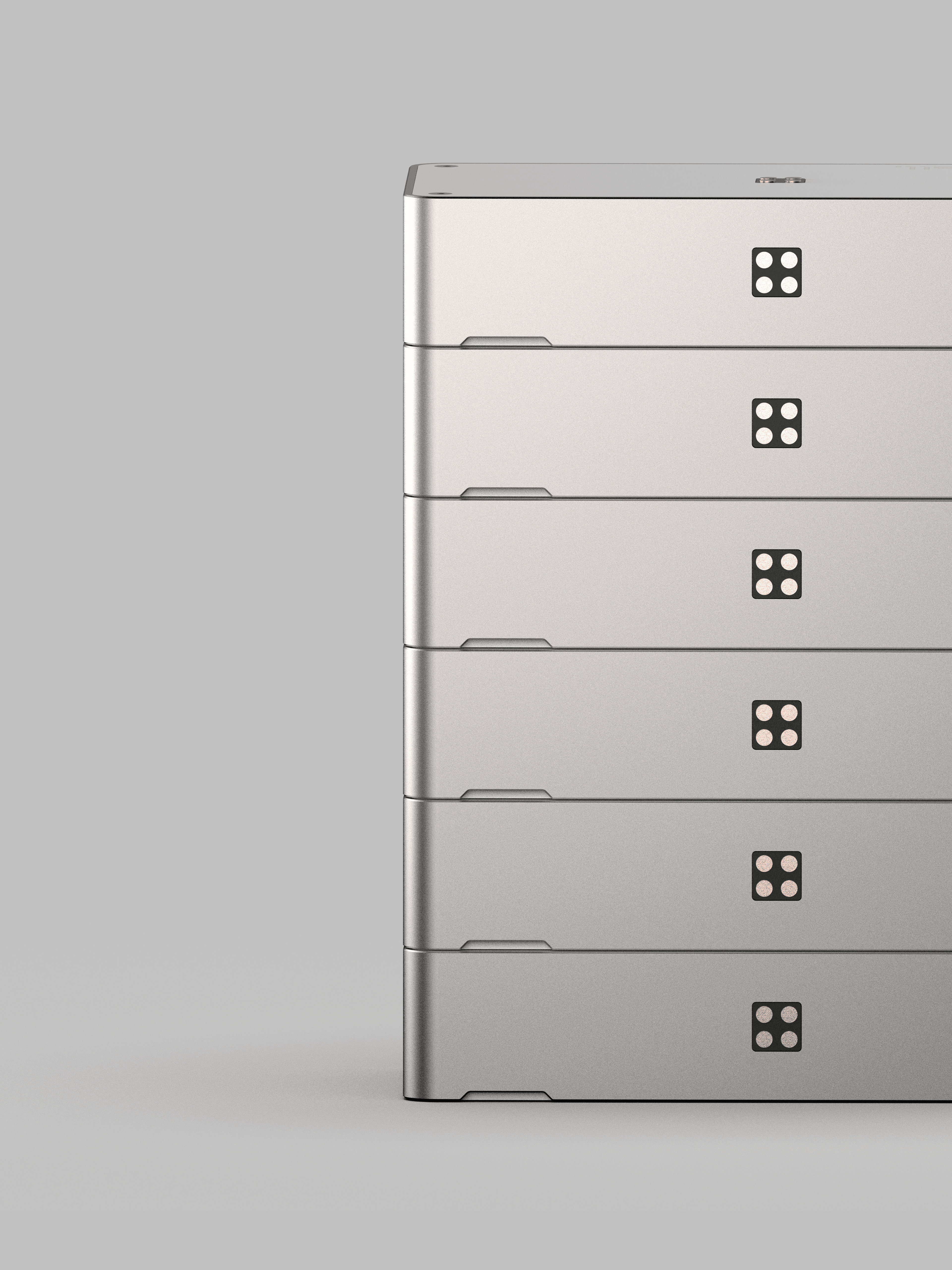
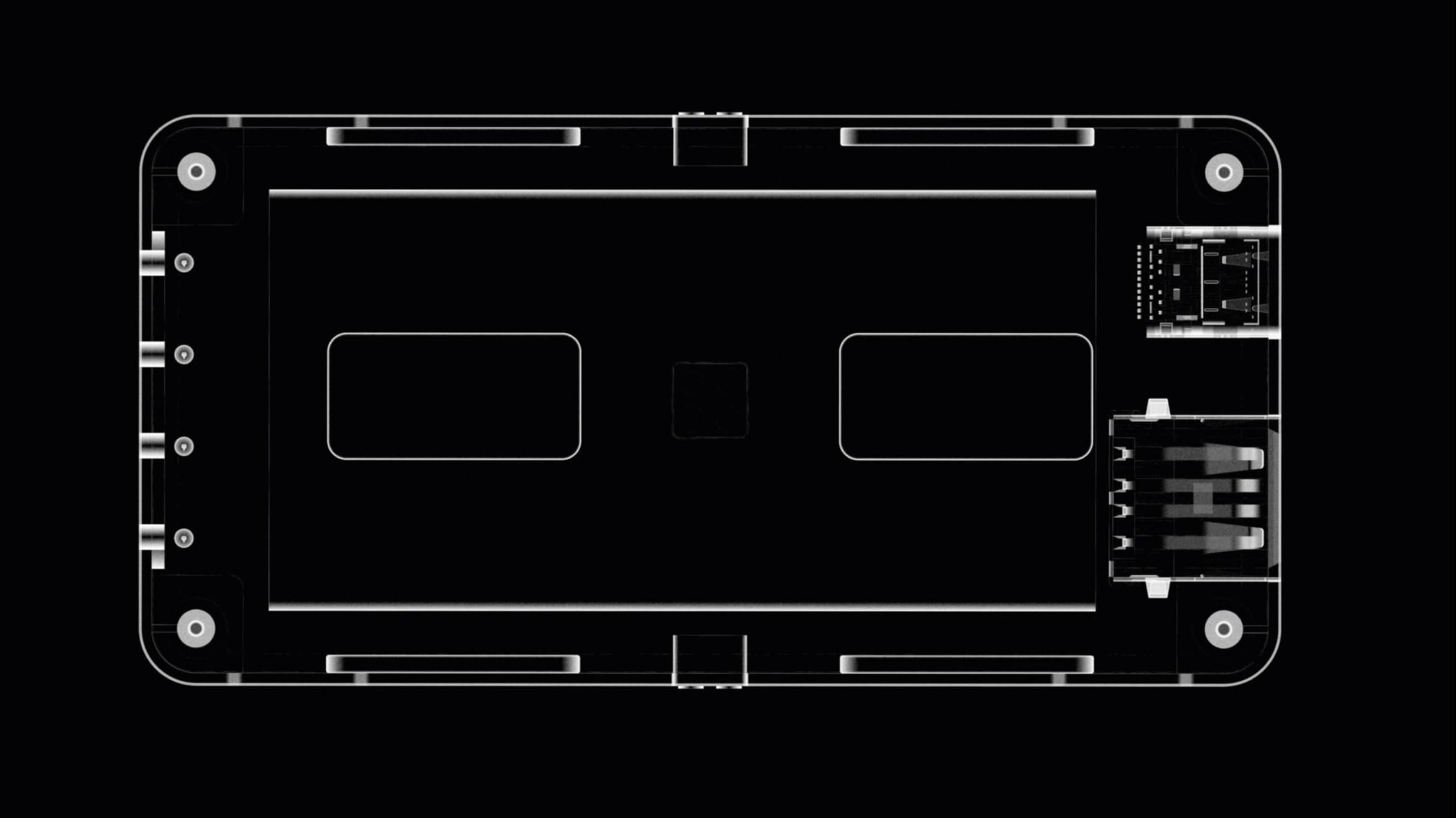
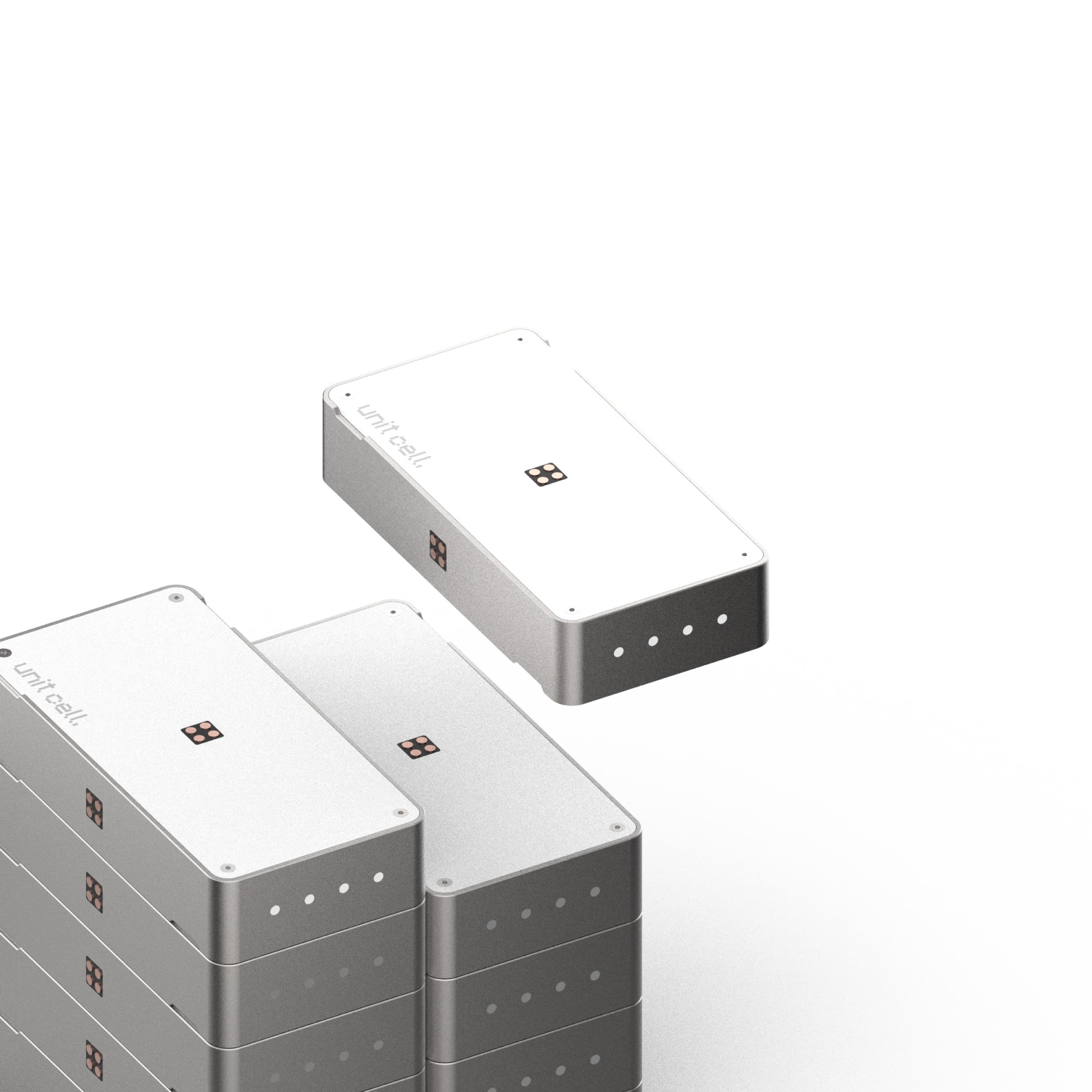
Look around, how many of our secondary gadgets have their own built-in battery? portable vacuums, VR headsets, controllers, speakers. But do all these devices really need their own battery? This question inspired Unit Cell, a speculation that questions the way we power our secondary electronics. Today, each device comes with its own battery. While this feels convenient, it creates unnecessary component and structural redundancy hence another supply chain. Mining for lithium and cobalt damages the environment, consumes vast amounts of water, and often involves unsafe labor practices. On top of that, batteries have limited lifespans, can pose fire risks, and are difficult to recycle. These issues reveal that our current approach to powering devices is not sustainable. Unit Cell proposes a new framework: what if a single standard external rechargeable power source could power multiple devices through same interfacing? connects via USB-C/POGO pins and can be shared across devices. When greater power is required, multiple Unit Cells can magnetically link together in a “swarm” to deliver higher energy - or even be shared between users, like passing along a cookie to someone in need. This system could form the foundation of a standardized power ecosystem, making power sources universal rather than device-specific. It may sound inconvenient at first, but it’s essential that we rethink our convenience-driven design ideology, which often prioritizes short-term ease over long-term sustainability. By separating the battery from the device, we eliminate the need to discard devices simply because their batteries fail. Instead, you can swap or upgrade the power source, reducing waste and extending the life of your devices. Unit Cell isn’t a new kind of battery, it’s simply rethinking how to power secondary devices.